
Jefferson Memorial Seawall
Jefferson Memorial Seawall
The Trust helped leverage more than $150 million in federal dollars for restoration projects on the National Mall, including repairing the sinking plaza in front of the Jefferson Memorial. Prior to the work that was completed on the plaza, the Jefferson Memorial and its sea wall were sinking eight inches per year. Engineers working on the project discovered that the timber pilings originally constructed in the 1930’s to support the sea wall were slipping away from the memorial.

Photo: Clark Construction
Construction officials learned that the Jefferson Memorial, which weighs 32,000 tons and sits on an 18-acre site, had shifted significantly since its initial construction began in 1938.
The Trust for the National Mall allocated $13.5 million for HNTB Architecture and Clarke Construction to renovate the memorial’s lower plaza and sea wall in 2011. Construction was completed in 2012.

To mark the October 21, 2021 celebration of the 10-year anniversary of the Martin Luther King, Jr. Memorial, the Trust for the National Mall is proud to share exclusive content featuring the King family in intimate conversation about Dr. Martin Luther King, Jr's life and legacy. The conversation, recorded during the 50th anniversary of the March on Washington for Jobs and Freedom, includes Martin Luther King III, his wife Arndrea Waters King and their daughter, Yolanda Renee King, who was 5-years old at the time.

A partnership between the National Trust for Historic Preservation, Trust for the National Mall, and the National Park Service, alongside civic partner Skidmore, Owings & Merrill (SOM), The Tidal Basin Ideas Lab is an urgent call to action to address the pressing need for critical repairs and improvements, including a crumbling sea wall and daily flooding, taking into consideration environment, culture and visitor experience. The project marks a critical juncture for the landscape of the nation’s capital, envisioning and reshaping a deeply symbolic and beloved public space that communicates the history, values, and aspirations of the country.
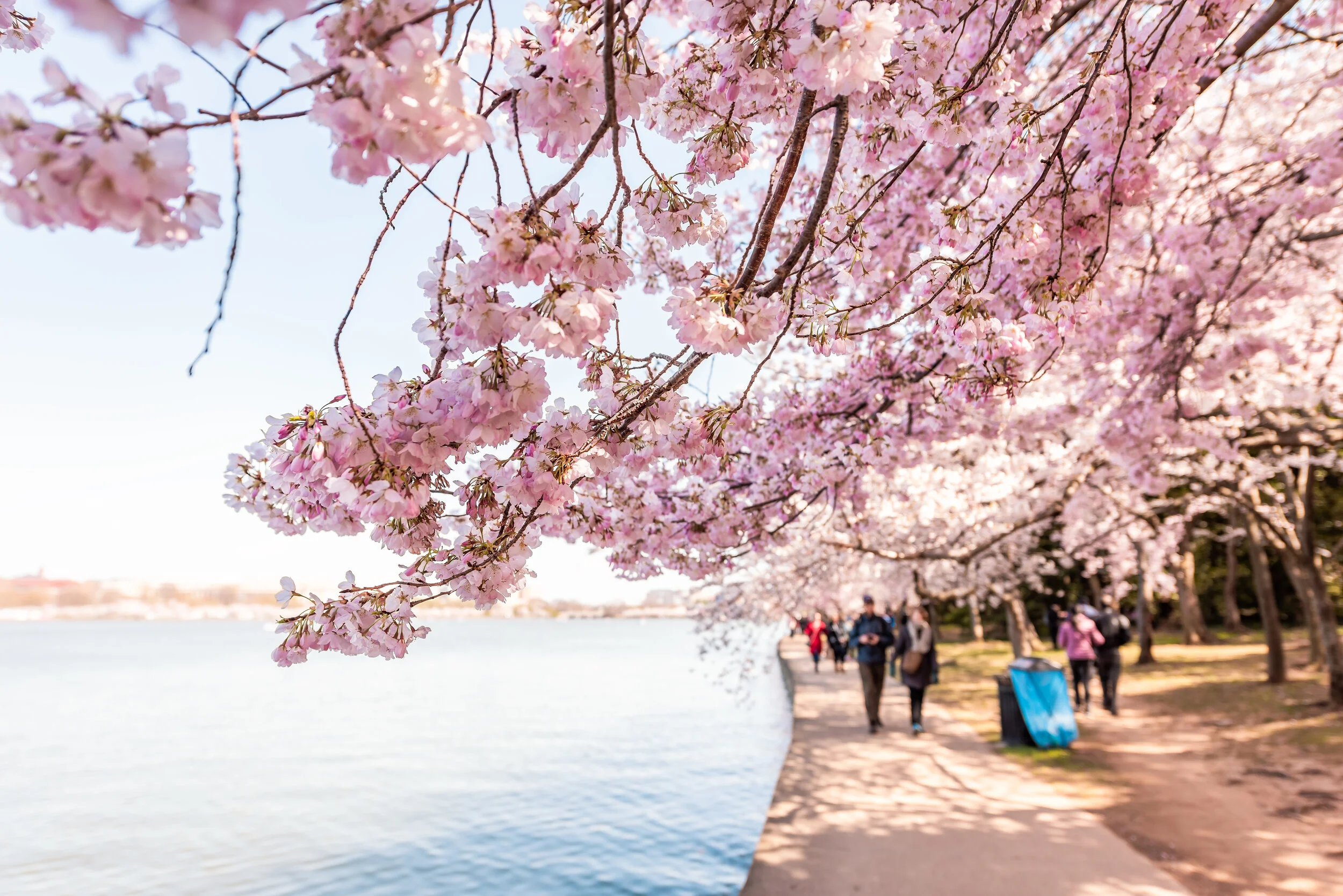
The Trust for the National Mall, The National Cherry Blossom Festival and the National Park Service are thrilled to announce the introduction of the #BloomCam, to allow people to virtually monitor DC’s famous budding cherry blossom trees along the Tidal Basin in real time as they bloom.

The U.S. Park Police Horse Mounted Unit is one of the oldest police equestrian units in the United States. The Trust for the National Mall led this milestone project to create a new Education Center to welcome the public and a state-of-the-art sustainable home for the horses and officers of the Mounted Unit on the National Mall.

Designed pro bono by Wolfgang Oehme in 1983, this small garden (350 x 60 feet) occupies a prominent place on the National Mall.

The first phase of our three-year National Treasure initiative with the National Trust for Historic Preservation will be to design, host, and share results from an Ideas Lab presented by American Express—a forum for generating a bold, ambitious, and integrated vision for the Tidal Basin.
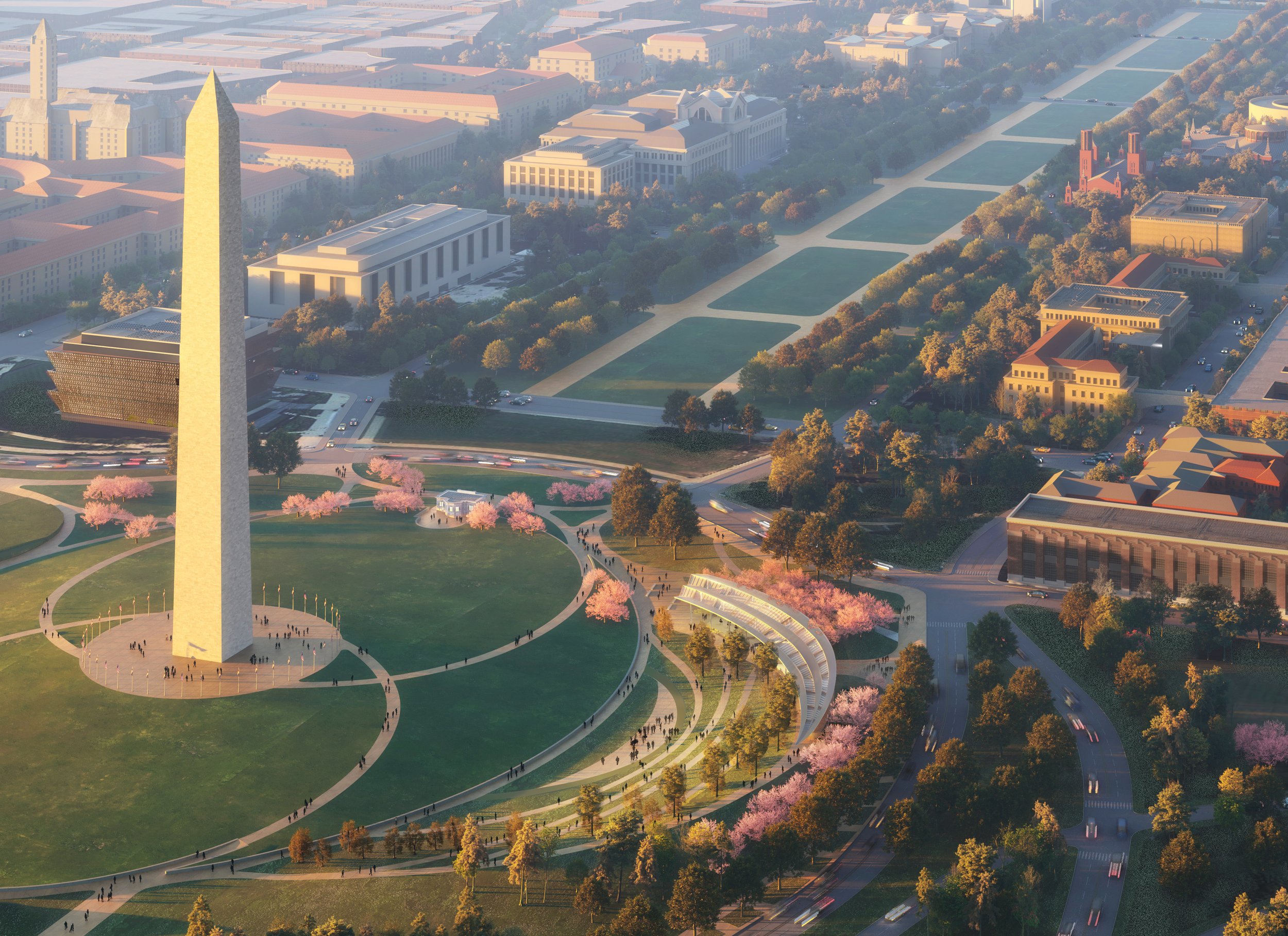
The Washington Monument Grounds at Sylvan Theater have been re-imagined as part of the Trust’s national juried competition to create an elegant gateway to the Monument and creates a transformed setting for our nation's most visible center stage.

The oldest structure on the National Mall and untouched for more than 40 years, the Lockkeeper’s House was moved away from the busy corner at 17th and Constitution and fully restored. Completed in 2018 the house is now open to the public and is the gatekeeper to the National Mall, providing educational content to visitors for the first time about the history of the National Mall, the history purpose of the house and the surrounding landscapes.

Following the grand reopening of the restored and relocated Lockkeeper’s House in fall of 2018, Phase 2 will address the rehabilitation of the lake and Signers Island at Constitution Gardens and the interior exhibits at the Lockkeeper’s House. Once fully restored, this under-utilized 36 acres of space will become a vibrant urban park with concessions and visitor amenities and will be a showcase for environmental sustainability.

The rehabilitation of the George Mason Memorial is complete and provides an urban oasis that more accurately reflects the historical period in which Mason lived as well as the memorial’s original design. The memorial includes a new central fountain, perennial plantings throughout the site and a refurbished George Mason statue, trellis and inscription.